What makes one Tenafly listing feel unforgettable while another gets scrolled past? In a market where buyers are comparing price, condition, layout, and presentation before they ever book a showing, how your home looks online and in person can shape the entire sale. If you are preparing to list, a smart styling plan can help your home feel clearer, brighter, and more compelling from the first photo to the final walkthrough. Let’s dive in.
Why styling matters in Tenafly
Tenafly is a premium market, and buyers often have strong expectations before they step through the door. As of June 30, 2026, Zillow shows an average home value of $1,341,157 in Tenafly, with 44 homes for sale and a median list price of $1,661,667. Redfin reports a median sale price of $1.53M over the last three months, with homes selling in about 76 days.
That kind of market creates a more selective environment. Buyers can compare multiple listings online, so your home needs to photograph well, read clearly, and feel move-in ready in the ways that matter most. Styling is not about making your home look generic. It is about helping buyers understand its value quickly.
What home styling is really meant to do
Staging is often misunderstood as a major overhaul, but that is not what the data supports. NAR defines staging as presenting a property so buyers can envision themselves living there, with a focus on decluttering and styling rather than remodeling.
That distinction matters for sellers who are deciding where to spend time and money. In NAR’s 2025 Profile of Home Staging, 83% of buyers’ agents said staging made it easier for buyers to visualize the property. The same report found that 49% of sellers’ agents said staging reduced time on market, and 29% said it led to a 1% to 10% increase in the dollar value offered.
Start with the online first impression
Most buyers will meet your home on a screen before they ever see it in person. NAR says 81% of buyers rated listing photos as the most useful feature in their online home search. Zillow also reports that 52% of buyers found the home they purchased online.
The details matter even more when you look at what buyers prioritize. Zillow’s 2025 buyer trends report found that floor plans were the single most important listing feature for 33% of prospective buyers, followed by high-resolution photos at 26% and 3D or virtual tours at 20%.
That means your styling decisions should support photography, floor plans, and tours from the start. A well-presented room looks appealing in person, but it also helps buyers understand scale, function, and flow in listing media.
Focus on the rooms that carry the most weight
Not every room needs the same level of effort. If you want the biggest impact, it helps to prioritize the spaces buyers notice first.
According to NAR, the most commonly staged rooms are:
- Living room
- Primary bedroom
- Dining room
- Kitchen
These are also the rooms where visual clarity can strongly influence how buyers interpret the rest of the home. When these spaces feel polished and purposeful, the whole property often feels more complete.
Improve curb appeal before anything else
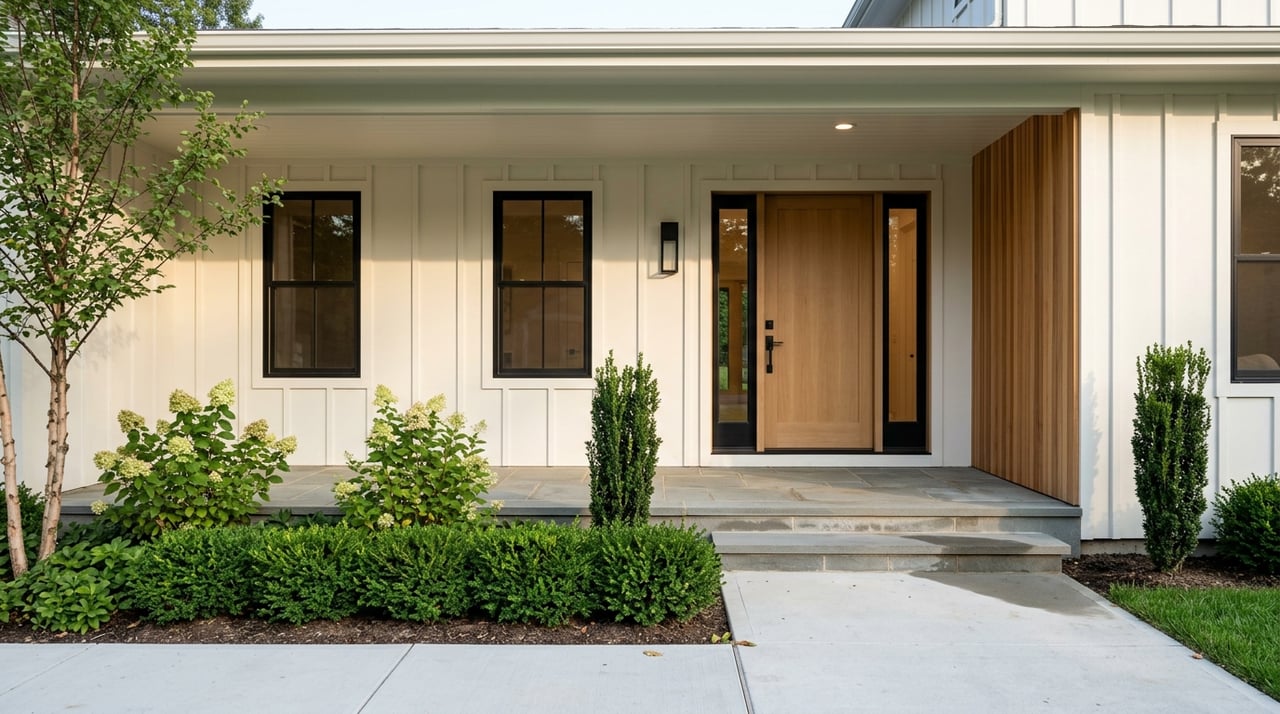
Your exterior sets the tone for every showing and every listing photo. Even a beautiful interior can lose momentum if the front approach feels neglected or visually busy.
NAR’s staging guidance recommends a simple front door mat, manicured landscaping, and a small number of potted plants. Clean walkways, tidy plant beds, and a neat entry can make your home feel cared for before a buyer even reaches the front door.
If you are considering exterior touch-ups, keep local rules in mind. Tenafly’s Building Department notes that painting and replacing same-size windows and doors may be done without permits, but sellers should confirm if they are unsure. If your property is in a historic landmark or district area, exterior changes may require a Certificate of Appropriateness, and Tenafly includes historic districts such as Atwood’s Highwood Park and Magnolia Avenue.
Edit the living room for space and flow
The living room deserves special attention. NAR’s research identifies it as the most commonly staged room and the most important one to stage for buyers.
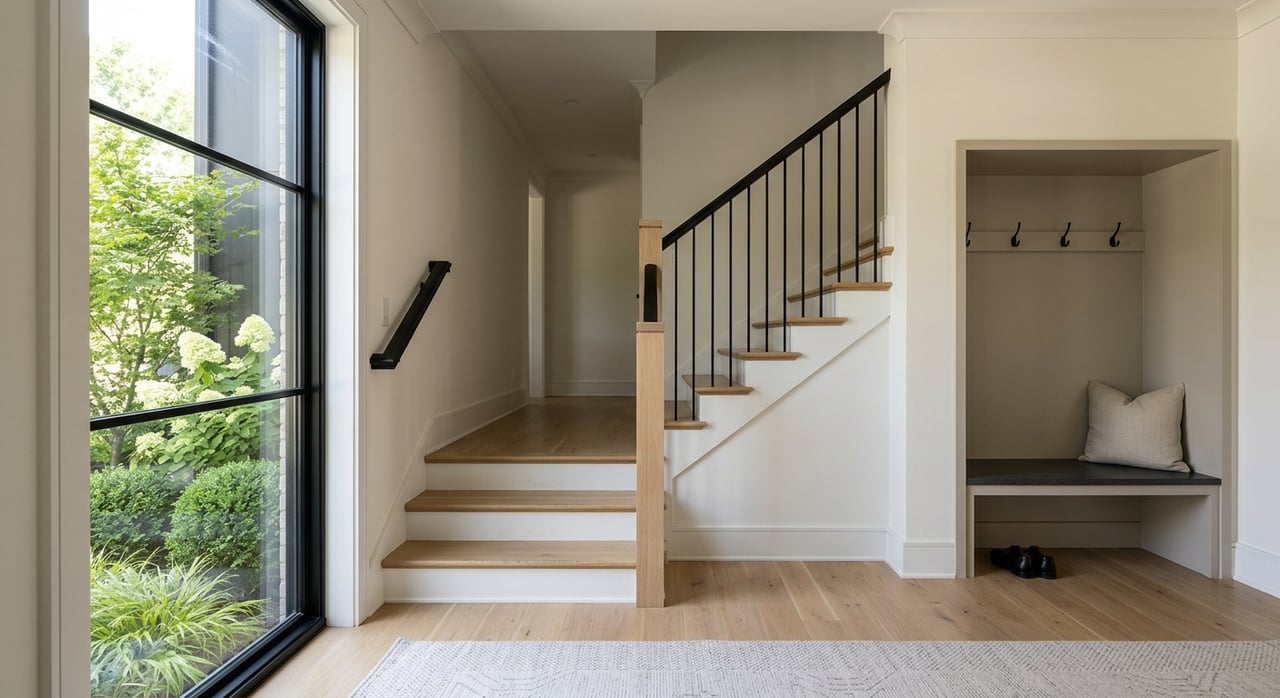
In practical terms, that usually means removing bulky furniture, simplifying decor, and making the traffic pattern easy to read. Buyers should be able to see where to walk, where to sit, and how the room connects to nearby spaces. If the room feels crowded in photos, it often feels smaller than it is.
Try to keep only the pieces that define the room well. A balanced seating layout, clean surfaces, and a few restrained accessories usually work better than a space filled with extra furniture.
Make the dining room feel intentional
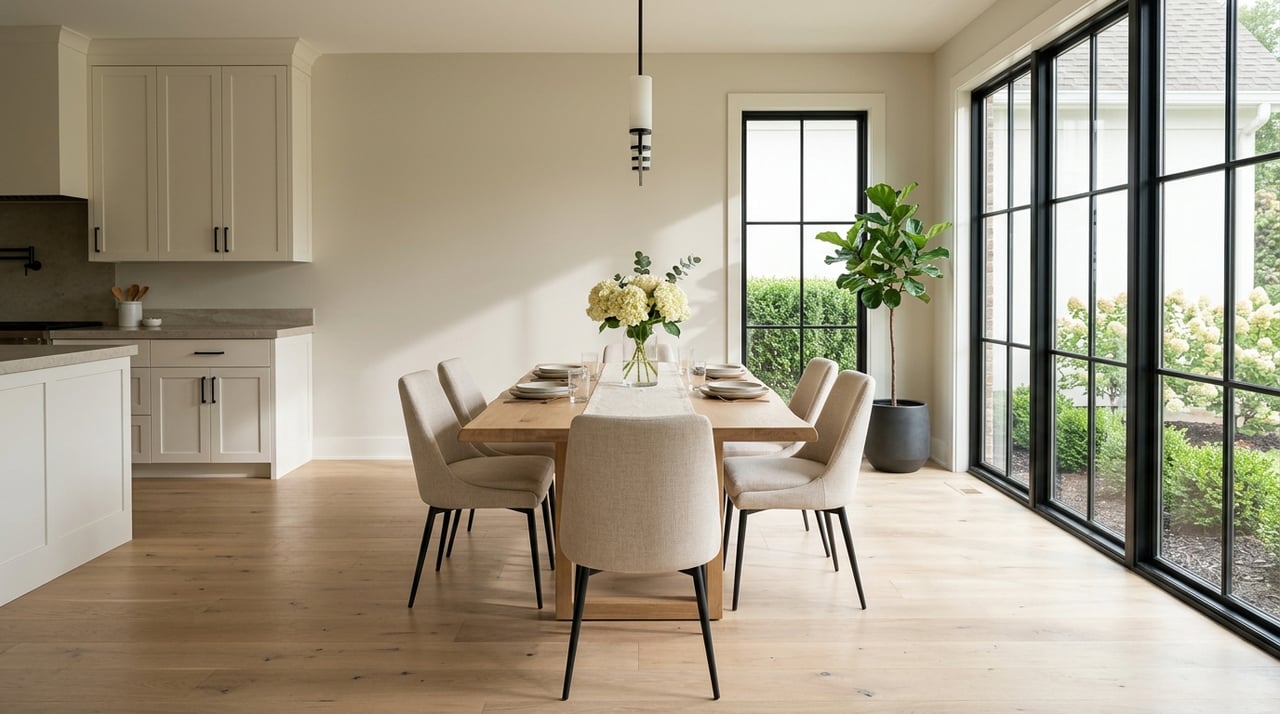
Dining rooms can be overlooked by sellers, but they still play an important role in presentation. NAR lists the dining room among the most commonly staged spaces.
A simple table setting, balanced lighting, and enough open space around the table can make the room feel functional and finished. The goal is not to decorate heavily. It is to show the purpose of the room clearly, especially in photos where buyers are trying to understand the floor plan at a glance.
Calm the primary bedroom and simplify closets
The primary bedroom is the second most important room to stage, according to NAR. Buyers tend to respond best when it feels restful, bright, and uncluttered.
Crisp bedding, neutral colors, and pared-back nightstands can go a long way. Personal items should be packed away so the room feels less specific to your household and easier for buyers to picture as their own.
Closets matter too. NAR recommends keeping closets about half full rather than tightly packed. A closet that feels orderly and spacious sends a very different message than one that looks full to the edges.
Keep secondary bedrooms flexible
Secondary bedrooms should feel calm and easy to understand. If one has become storage overflow, a catch-all office, or a crowded guest room, it may be harder for buyers to picture its potential.
You do not need elaborate styling here. You simply want each room to read as usable space with a clear function. That can mean a neatly made bed, a simple desk setup, or an open layout that shows the room’s size more honestly.
Clean up kitchens and bathrooms
Kitchens still draw close attention from buyers. NAR buyers’ agents ranked the kitchen as the third most important room to stage, which makes sense in homes where buyers are evaluating both style and function.
For most sellers, the best kitchen updates are visual rather than structural. Spotless counters, minimal appliance clutter, and a clear visual line from sink to stove to dining area can make the space feel larger and more cohesive.
Bathrooms usually do not need redesign to support a sale. What they do need is thorough cleanliness, fresh towels, and a neutral, hotel-like feel. A bathroom that feels clean and simple tends to photograph better and show better.
Give every bonus room a clear purpose
Unclear rooms can create hesitation. Zillow’s buyer research shows how important floor plans and high-resolution photography are, so any bonus room should be styled with a purpose buyers can understand right away.
If you have a flex room, present it as a true office, guest room, or gym rather than a mix of unrelated storage and furniture. Buyers do not want to guess what a room is for. The clearer the purpose, the easier it is to appreciate the layout.
Style for the camera, not just the showing
One of the biggest mistakes sellers make is treating staging and photography as separate steps. They work best together.
Zillow reports that sellers are more likely to hire an agent who includes high-resolution photography and virtual tours or interactive floor plans. NAR also notes that the first few days after a listing launches are especially important because early views, saves, and shares can influence whether the property gains traction.
That is why styling should be completed before photography whenever possible. Your strongest exterior or most inviting lifestyle image should help lead the gallery, followed by the interior rooms that best show the home’s layout and character.
Use virtual staging carefully
Virtual staging can be helpful, especially for vacant homes or rooms that are hard to read. It can help buyers understand scale and function when used accurately.
NAR cautions that photo enhancements that materially alter the property should be disclosed. Edits should never conceal condition or create a mismatch between the listing and the in-person experience. The goal is clarity, not surprise.
A simple Tenafly styling checklist
If you want a practical way to organize the process, this sequence works well:
- Declutter rooms and surfaces
- Neutralize highly personal decor
- Brighten spaces with lighting and clean finishes
- Verify whether any cosmetic work may need local approval
- Complete photography after styling is done
This checklist aligns with how NAR defines staging and with Tenafly’s local permit guidance. It also supports the listing media buyers care about most.
Why a measured strategy often works best
In a town like Tenafly, presentation is not about adding more. It is about editing with intention. Buyers are often looking closely at layout, finish level, natural light, and how a home lives day to day.
A calm, design-aware approach can help your home stand out without making it feel overdone. When the styling is thoughtful, the photography is strong, and the launch is well timed, your listing has a better chance to make the right impression from day one.
If you are thinking about selling in Tenafly, a strategic plan for styling, pricing, and presentation can make the process feel far more manageable. For thoughtful guidance tailored to your home and the local market, connect with Mia Hur.
FAQs
How important is home styling for a Tenafly sale?
- Home styling can be very important in Tenafly because buyers often compare listings closely online before they schedule a showing, and strong presentation can help your home feel easier to understand and more compelling.
Do you need to renovate before listing a Tenafly home?
- Usually no. NAR defines staging as decluttering and styling rather than remodeling, so many sellers can improve presentation without taking on a full renovation.
Which rooms should you style first in a Tenafly home?
- The highest-priority rooms are typically the living room, primary bedroom, dining room, and kitchen, based on NAR’s staging research.
Should you stage a Tenafly home before photos are taken?
- Yes. Staging is most effective when it is completed before photography so the listing images, floor plan, and tours reflect the home at its best from the start.
Can you make exterior updates to a Tenafly home without permits?
- Some work may not require permits, including painting and replacing same-size windows and doors, according to Tenafly’s Building Department, but sellers should confirm local requirements if they are unsure.
Does historic status affect exterior styling changes in Tenafly?
- Yes. If your property is a historic landmark or located in a historic district, exterior changes may require local review and a Certificate of Appropriateness.